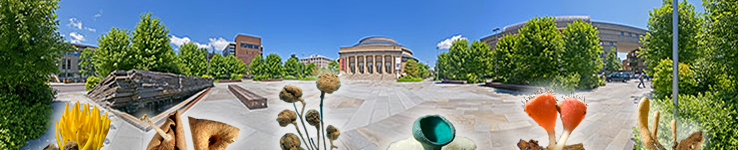






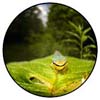
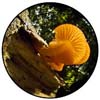
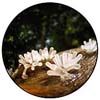
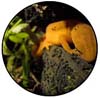
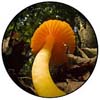
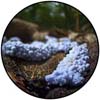
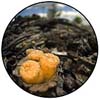
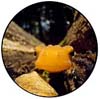
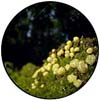
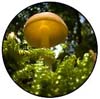
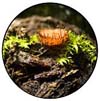
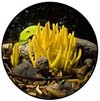
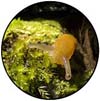
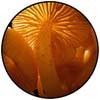
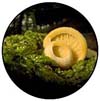
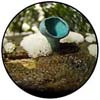
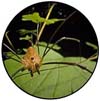
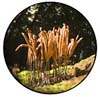
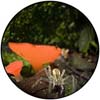
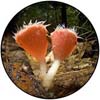
Borescope Gallery
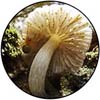
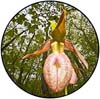
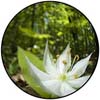
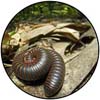
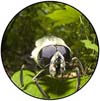
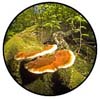
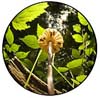
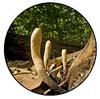
I had the pleasure over the last several summers to spend many days in the field photographing fungi and insects with an interesting lens called a borescope. Both rigid and flexible borescopes are made by the Gradient Lens Corporation and Storz, with the rigid scopes having much higher resolving power. Borescopes are usually used to view inside enclosed spaces such as rifle barrels, engine cylinders, and hollow walls. We purchased a borescope though with the intention of taking unique, bugs eye views of fungi for the Cornell Mushroom Blog. The borescope I used has a 90 degree field of view and is a bit like having a tiny fisheye lens on the end of a stick.
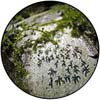
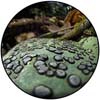
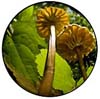
This is a gallery of images made over the last few summers. Kathie Hodge, professor of Mycology, has provided the fungal outburst captions. For a description of the camera set up we use, check out the Borescope page in the Photo Tips section.